
Daily Self-Care: Simple Habits for Healthy Skin and a More Balanced Mind
When you hear the word self-care, you might picture skincare, face masks, clinic treatments, or me-time with a cup of coffee. In fact, self-care is much broader. Self-care is how we look after ourselves so the body stays healthy, the mind calmer, and we have the energy for daily activities.

Self-care is not just about skincare
When you hear the word self-care, you might picture skincare, face masks, clinic treatments, or me-time with a cup of coffee. In fact, self-care is much broader. Self-care is how we look after ourselves so the body stays healthy, the mind calmer, and we have the energy for daily activities.
Habits that look simple often become the foundation of skin health and mental health. Drinking enough, sleeping enough, eating well, protecting the skin from the sun, and making time to be grateful may sound ordinary. But when done consistently, these habits can become a very meaningful form of self-care.
Self-care does not have to be expensive and does not always have to take the form of treatments. We can start with small things done every day. Let’s look at five simple habits we can make part of our daily self-care.
1. Don’t forget to drink: the body and the skin both need water
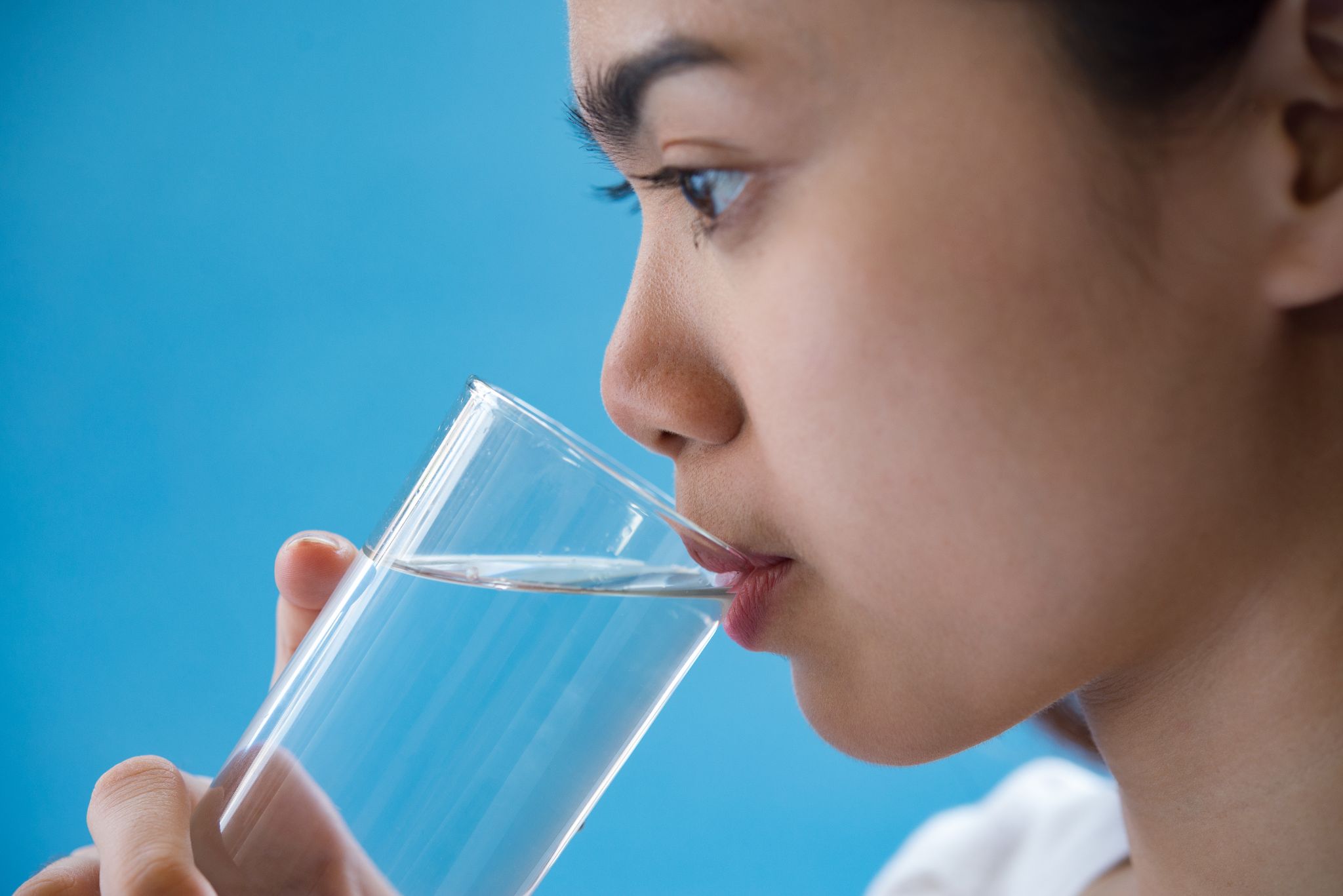
Water is an important part of almost every process in the body. The body needs fluid to help keep circulation going, regulate body temperature, support kidney function, help digestion, and support the function of various organs. So drinking water is not just so you don’t feel thirsty, it is truly part of the body’s basic needs.
So what does this have to do with the skin? The skin also needs good hydration to keep its normal function. When the body lacks fluid, the skin can feel drier or less comfortable. But keep in mind that drinking as much water as possible does not automatically make the skin glow right away. Skin condition is influenced by many things, from genetics, skin barrier, weather, skincare habits, sleep, food, to sun exposure.
So there is no need to force yourself to drink too much just because you want healthier-looking skin. What matters more is meeting your fluid needs regularly throughout the day. Plain water can be the main choice, while fluid needs can also come from other foods and drinks.
A systematic review on the link between water intake and skin hydration found that increased water intake can help skin hydration, especially in people who previously had low fluid intake. So if you often forget to drink, building a habit of drinking regularly is a simple and sensible self-care step.
|
Practical tip: No need to wait until you are very thirsty. Get used to carrying a water bottle, and drink after waking up, with meals, and between activities. Each person’s fluid needs can differ depending on activity, weather, and health condition. |
2. Get enough sleep: time for your body to recover

Sleep is often the first thing sacrificed when the schedule is packed. In fact, sleep is not wasted time. When we sleep, the body stays active doing various important processes for recovery and keeping the body in balance.
Enough sleep helps keep brain function, mood, metabolism, the immune system, and the body’s ability to face the next day’s activities. On the other hand, if we often sleep too little, the body can feel tired, it is harder to concentrate, and mood can change too.
The skin also feels the effects of sleep patterns. During sleep, the body is in a state that supports tissue recovery. Repeated lack of sleep can be linked to changes in skin barrier condition, the look of the skin, and more signs of tired-looking skin. That is why good skincare still needs to be paired with good sleep habits.
A scientific review on sleep deprivation and skin health also discusses the link between poor sleep quality and changes in skin function and appearance. So if you have an important event tomorrow, don’t focus only on finding skincare or treatments. Getting enough sleep the night before is also a form of self-care.
You don’t have to change everything at once. Try starting by making your sleep and wake times more consistent, cutting down on gadget use before bed, and making your room more comfortable and calm. If you sometimes sleep late because of work or certain activities, there is no need to feel guilty. What matters is the habit overall.
3. Eat food that truly nourishes you

We often hear that food is fuel for the body. It may sound like a simple sentence, but food really does play a big role in supplying the fuel and nutrients the body needs.
Healthy food does not have to be expensive, trendy, or complicated. One principle that is easy to apply is to choose real food, or whole and minimally processed food, more often, such as vegetables, fruit, eggs, fish, meat, legumes, whole grains, and carbohydrate sources that fit your needs.
This kind of food can help us get various nutrients, including protein, vitamins, minerals, fiber, and the fats the body needs. Variety is also important. No single food can meet all of the body’s needs at once, so the more varied the nutritious foods we eat, the more types of nutrients we can get.
For the skin, a balanced diet helps supply the nutrients needed in various normal body processes, including the formation and upkeep of tissue. But that does not mean one particular food can make skin glow right away or get rid of all skin problems. Skin condition is still influenced by many factors.
Healthy food does not mean we can’t eat our favorite foods. Processed food is also not automatically bad. What matters more is the overall eating pattern. If most of our daily food comes from nutritious choices and the portions fit our needs, we can still enjoy our favorite foods without feeling like we are failing at a healthy life.
Try a simple way of choosing a meal: there is a protein source, there are vegetables or fruit, there is a carbohydrate source, and if needed a healthy fat source. No need to make it too complicated. Self-care should make life better, not stress us out because of eating rules that are too strict.
4. Sunscreen: a small investment for long-term skin
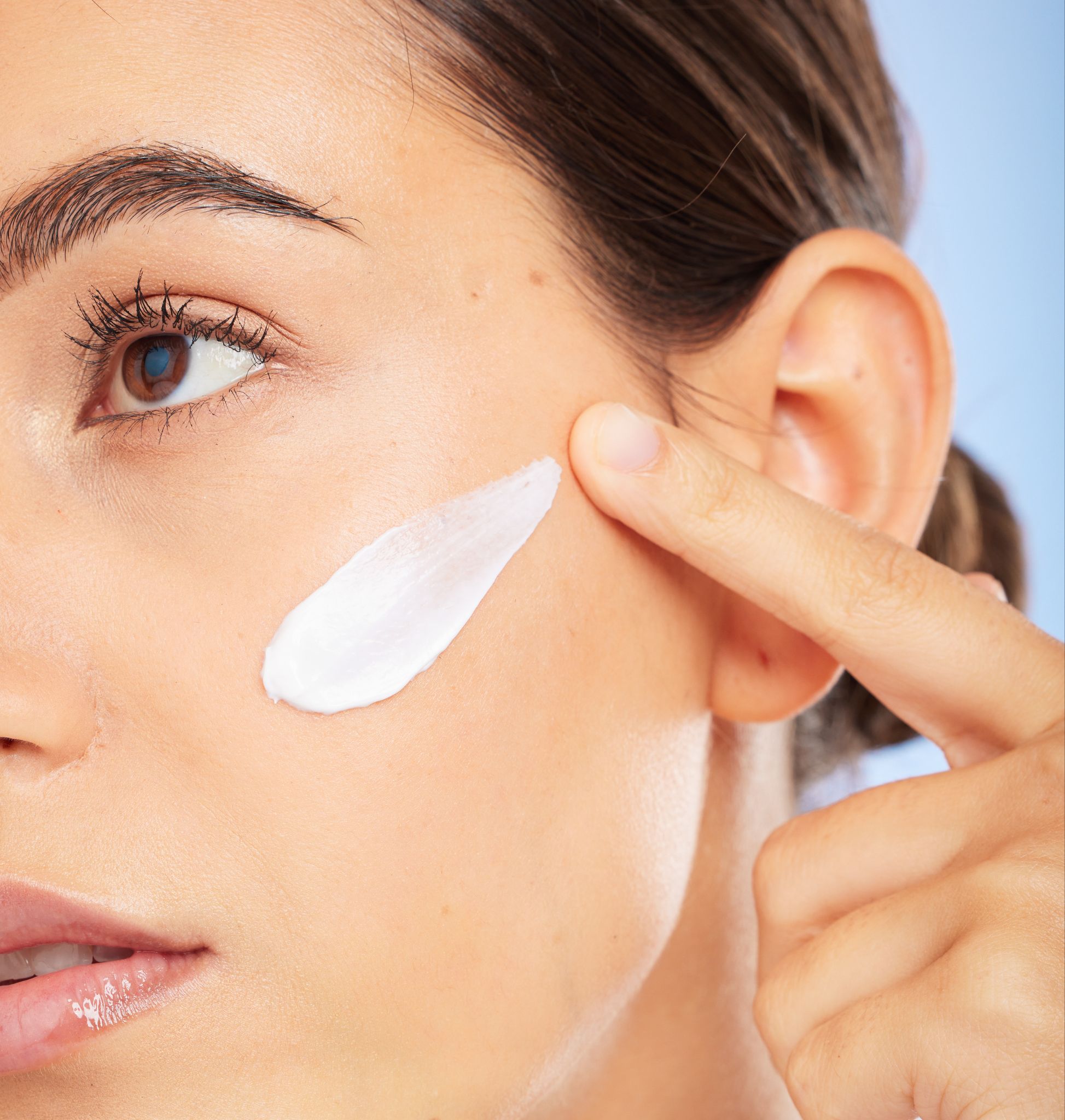
Living in the tropics means we are quite often exposed to sunlight. Even when the sky does not feel too hot, ultraviolet exposure still needs attention. That is why sunscreen is not just an extra product in a skincare routine, but one important form of skin protection.
Ultraviolet light, especially UVA and UVB, can contribute to skin damage. Repeated exposure can speed up photoaging, trigger or worsen pigmentation, cause inflammation, and contribute to damage of skin structures such as collagen.
There is one thing that is often misunderstood: sunscreen is not a product whose main function is to stop water from evaporating from the skin. The main function of sunscreen is to give protection against ultraviolet radiation. Hot weather, dry air, and certain environments can indeed make the skin feel drier or increase water loss from the skin, but that mechanism is different from the function of sunscreen.
For daily use, choose a sunscreen with broad-spectrum protection and SPF 30 or higher, and use enough of it. If you sweat a lot, swim, or are outdoors for a long time, it needs to be reapplied according to the product’s instructions. Protection can also be completed with a hat, protective clothing, an umbrella, and finding shade.
If our goal is skin that stays healthy in the long term, sunscreen should be treated like brushing your teeth: it may feel ordinary, but the benefit comes from consistency. There is no need to wait for skin problems before starting to use sunscreen diligently.
5. Practice gratitude: caring for the mind is part of self-care too

This last part may sound the simplest: being grateful. There is no product to buy, no special tool needed, and it can be done in just a few minutes. But precisely because it is simple, the practice of gratitude is easy to forget.
Gratitude does not mean we have to pretend to always be happy. Being grateful also does not mean denying the problems we are facing. We are still allowed to feel sad, disappointed, tired, or not okay. Gratitude is more about training ourselves to realize that in the middle of many hard things, there are still small things worth appreciating.
The way to do it is simple. For example, before bed, write down three things we are grateful for that day. It could be someone who asked how you are, a good meal, or a quiet moment. There is no need to look for something big.
For those who are comfortable with a spiritual approach, gratitude can also be practiced through prayer, dhikr, worship, or taking time to remember the blessings that have been given. A practice like this can be a moment to pause from the routine and bring attention back to what is meaningful.
Some research on gratitude discusses its link to psychological well-being and emotional state. However, gratitude is not a replacement for professional help if someone is going through a mental health problem that needs treatment.
So if today feels heavy, there is no need to force yourself to feel happy right away. Just pause for a moment and look for one small thing you can still be grateful for. Sometimes, self-care really is as simple as giving yourself room to breathe and admitting that we have tried our best.
Self-care is not about being perfect
In the end, daily self-care is not about living life perfectly. We don’t have to drink on a perfect schedule, sleep on time every night, eat healthy every day without ever enjoying our favorite foods, wear sunscreen without ever forgetting, or always feel positive.
What matters more is building small habits that are realistic and can be done again and again. Drink enough water. Sleep more regularly. Choose food that nourishes you. Protect your skin from UV light. And set aside a little time to be grateful.
These five things may look simple, but all of them are part of how we value our bodies and ourselves. Skincare and treatments can be part of skin care, but the foundation of health still comes from daily habits.
So just start with the one thing that is easiest to do today. No need to wait for Monday, no need to wait for the new year, and no need to wait until you have free time. Self-care starts with a small decision to care more about yourself.
|
Self-care starts with small habits that are realistic and done consistently. |
References:
- Akdeniz M, Tomova-Simitchieva T, Dobos G, Blume-Peytavi U, Kottner J. Does dietary fluid intake affect skin hydration in healthy humans? A systematic review. Skin Research and Technology. 2018.
- Clinical and Experimental Dermatology. Review literature on sleep deprivation and skin health. 2023.
- Review literature on sunscreen, ultraviolet radiation, photoaging, pigmentation, and skin protection.
- Komase Y, Watanabe K, Imamura K, et al. Systematic review on gratitude interventions and mental health/well-being. 2021.
Discussion
Comments & Questions
Share your comments or questions about this article.